

How can nature-based and demand-based ventilation be used in basements, shelters, warehouses and other spaces with challenging indoor climate conditions?
Basements, shelters, technical rooms, warehouses and other spaces that remain closed for long periods may go for weeks or months without daily attention. However, the conditions inside them do not remain stable on their own.
Moisture moves through building structures, temperatures change and condensation may form on surfaces. Bringing in outdoor air at the wrong time can make the situation worse instead of improving it.
Therefore, the solution is not simply more ventilation, but ventilating at the right time and under suitable conditions.
Removing moisture requires a temperature difference and airflow
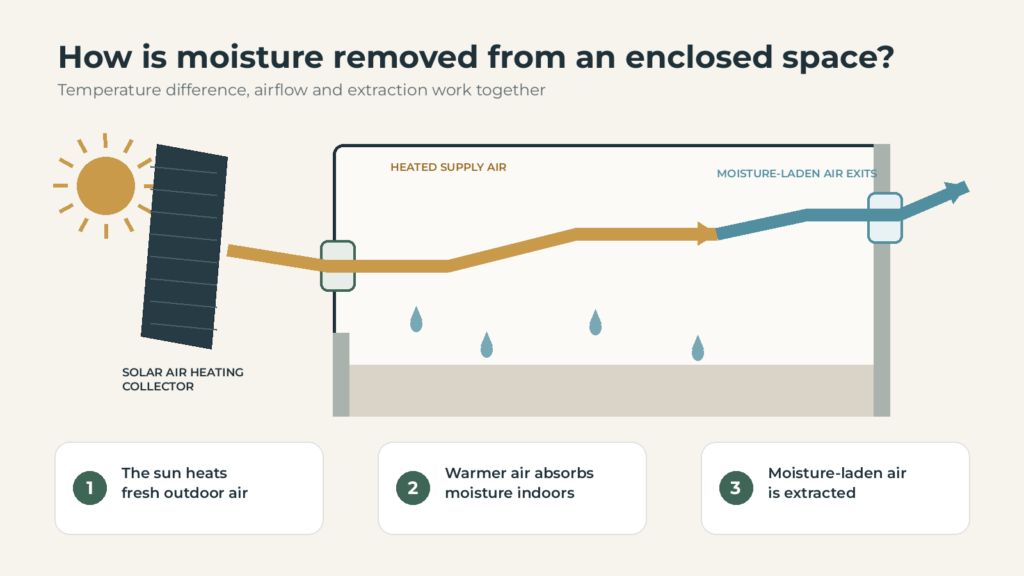
Ventilation does not mean simply moving air around inside a room. To actually remove moisture, suitable outdoor air must enter the space, move through it and then leave together with the moisture it has absorbed.
A solar air heating collector warms the incoming outdoor air. As the air warms, its relative humidity decreases and its ability to absorb moisture from the room increases. A fan creates the necessary airflow, while the moisture-laden air leaves through an exhaust opening or existing air paths.
Three important factors work together:
- a temperature difference created with solar energy;
- airflow moving through the space;
- an exit route for the moisture-laden air.
The aim is not to make a basement as dry as possible. Preserves and vegetables require suitable and stable temperature and humidity conditions. Ventilation should help prevent excess moisture from accumulating and condensation from forming.
Bringing in outdoor air at the wrong time can also make the situation worse. If warm and humid summer air is brought into a cool underground space, moisture may condense on the cold surfaces. This is why both indoor and outdoor conditions must be taken into account.
Demand-based and nature-based ventilation
Sol Navitas solutions operate on demand-based and nature-based principles.
Demand-based ventilation adjusts the air exchange according to how the space is used and its indoor climate. An empty shelter does not require the same ventilation intensity as a room occupied by people, where CO₂ levels rise quickly.
Nature-based ventilation makes maximum use of the natural resources available at any given moment: heat from the sun, outdoor air that is suitable for drying or cool night air. Site-specific solutions can also make use of other local opportunities, such as the more stable temperature of the ground.
Nature first. Grid energy only when it is genuinely needed.
Which Sol Navitas solution is suitable?
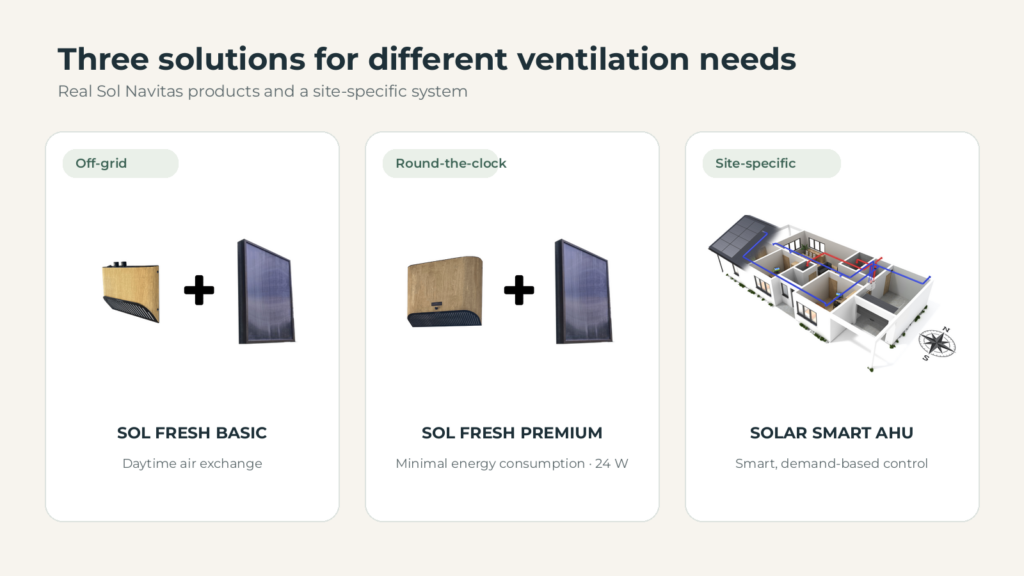
Sol Fresh Basic
Sol Fresh Basic is suitable for a smaller basement, storage room, underground garage or unoccupied shelter where there is no grid connection or where a fully off-grid solution is preferred.
The solar element produces the electricity required to operate the fan, while the collector warms the incoming air. The warmed fresh air is directed into the space, and the resulting airflow helps push more humid air out through the existing ventilation openings.
Basic operates autonomously during the daytime and does not consume grid energy. However, the ventilation required for an occupied shelter must be designed according to the size of the space and the potential number of occupants.
Sol Fresh Premium
Sol Fresh Premium is suitable for spaces where air exchange must also continue at night and during cloudy weather.
The system combines solar air heating, supply air, extract air, heat recovery and automatic control. When solar energy is unavailable, the unit uses a minimal amount of grid electricity – its power consumption is only 24 W.
Premium provides round-the-clock air exchange, reduces ventilation heat losses through heat recovery and, under suitable conditions, can use cooler night air for passive cooling.
Solar Smart AHU
Larger shelters and more complex spaces require a solution designed specifically for the site.
Solar Smart AHU combines ventilation, sensors, the use of solar energy and demand-based automation. In one control version, operating cycles can be set to determine when and for how long the system exchanges air in the space.
If solar heat is available during the cycle, or if outdoor air conditions are suitable for drying or cooling the space, the system continues using those conditions for as long as they remain beneficial.
When the space is occupied and the CO₂ level rises, the system increases the airflow. This allows an empty space to remain ready for use with low energy consumption while responding to the greater ventilation demand when people arrive.
Examples of Sol Navitas solutions
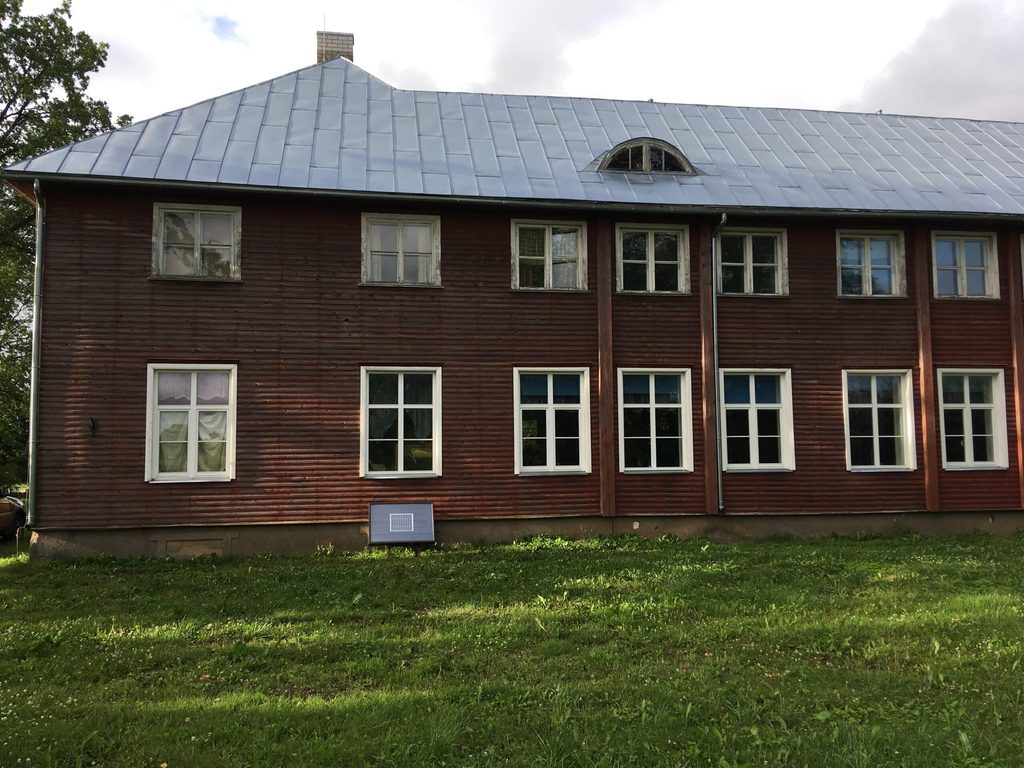
Kihlepa community centre basement
Jars of jam and other winter supplies may be safely stored in a basement, but the indoor conditions must also remain suitable if they are to keep well.
The basement of Kihlepa community centre was too humid for storing preserves. A solar air heating solution was installed to bring in fresh air warmed by the sun and help remove excess moisture. This allows the basement to fulfil its actual purpose: keeping the local community’s winter supplies under suitable storage conditions.
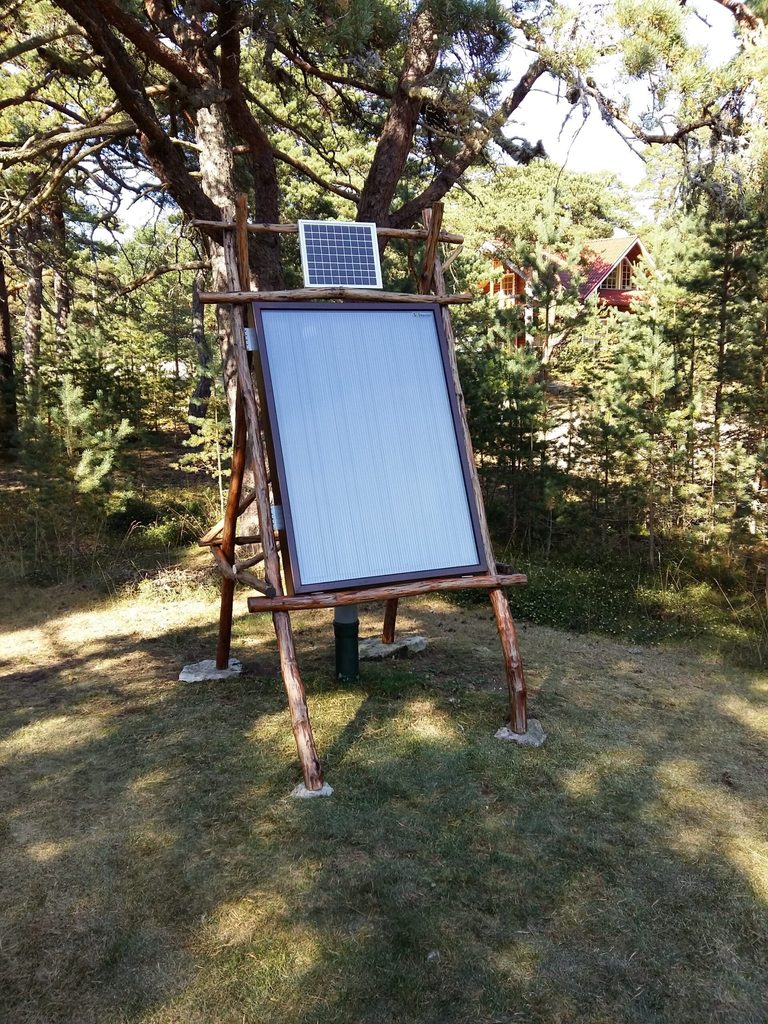
Underground garage in Lohusalu
In an underground garage in Lohusalu, the lower edges of the space were damp and prone to mould.
To solve the problem, an autonomously operating Sol Fresh 50 Basic was installed. It uses solar energy both for air exchange and for warming the incoming air.
Dark cave (Pimekoobas)
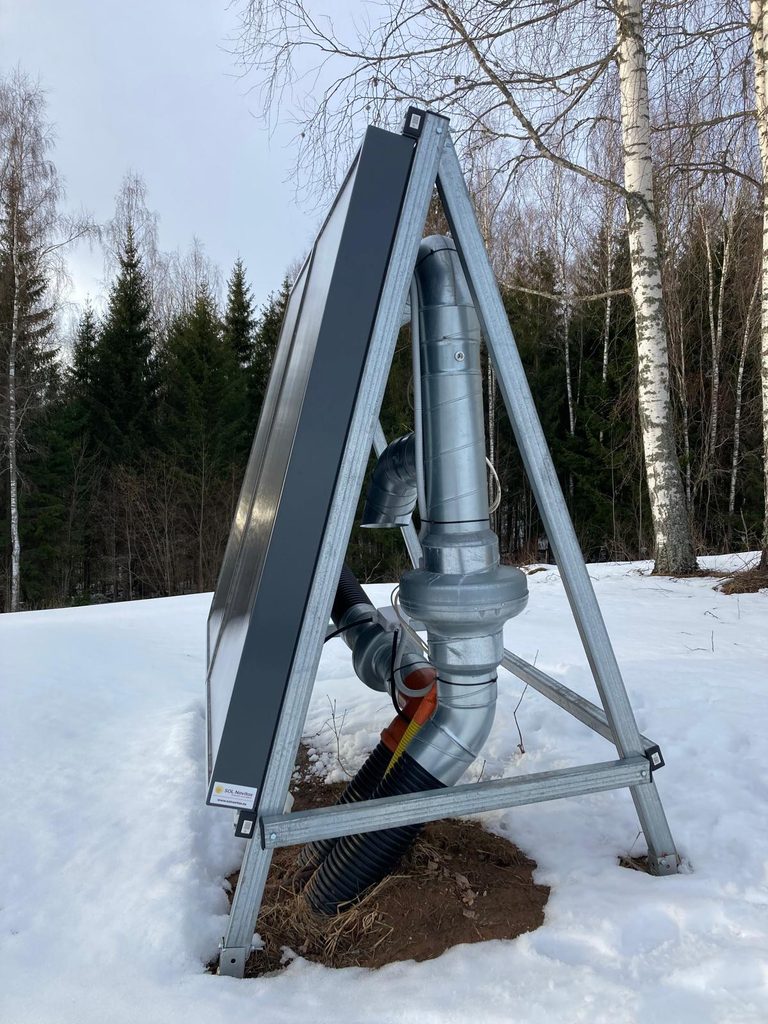
Pimekoobas is located entirely inside a hill. At ground level, only the external parts of the ventilation solution designed specifically for the site are visible.
A ground-duct ventilation system with Solar Smart control was installed in the cave. The ground ducts were a site-specific solution based on the particular conditions of this location.
When the cave is empty, the system exchanges air according to predefined operating cycles. If solar heat is available during a cycle, the air exchange continues for as long as the suitable conditions last. When people enter the cave and the CO₂ level rises, the automation switches the ventilation to a more intensive operating mode.
Schools, shelters and accommodation centres in Ukraine
As part of a Mondo project, Sol Navitas supplied a total of 38 Sol Fresh Basic and Premium units to Ukraine. They are being installed in schools, shelters and accommodation centres for internally displaced people.
These spaces are often overcrowded and were not designed for people to stay in for long periods. Poor air exchange and excess moisture contribute to mould growth, damage buildings and may cause health problems. At the same time, the electricity supply is unstable and the spaces may not have sufficient heating.
Basic units make it possible to exchange air independently of the electricity grid. Premium units provide air exchange with minimal grid energy even when solar energy is unavailable. Both use heat from the sun to warm the incoming air. The units were also equipped with USB charging capability so that essential small devices can be charged using solar energy during power outages.
Every space requires its own solution
A basement, shelter, warehouse and underground cave do not require the same type of ventilation. The right solution depends on the size of the space, its moisture load and use, the existing air paths, the electricity supply and the possibility of using solar energy.
Sol Fresh Basic is suitable for autonomous air exchange in spaces without a grid connection. Sol Fresh Premium provides round-the-clock ventilation with minimal energy consumption. Solar Smart AHU makes it possible to control the ventilation of a more complex building according to how the space is used and the available natural conditions.
Does your basement, shelter or another space with challenging indoor climate conditions have a moisture or ventilation problem? Tell us about the space and how it is used, and we will help you find a suitable solution.